The Quietest Room in Town: Why I’m Spending My Saturdays at the Library Again
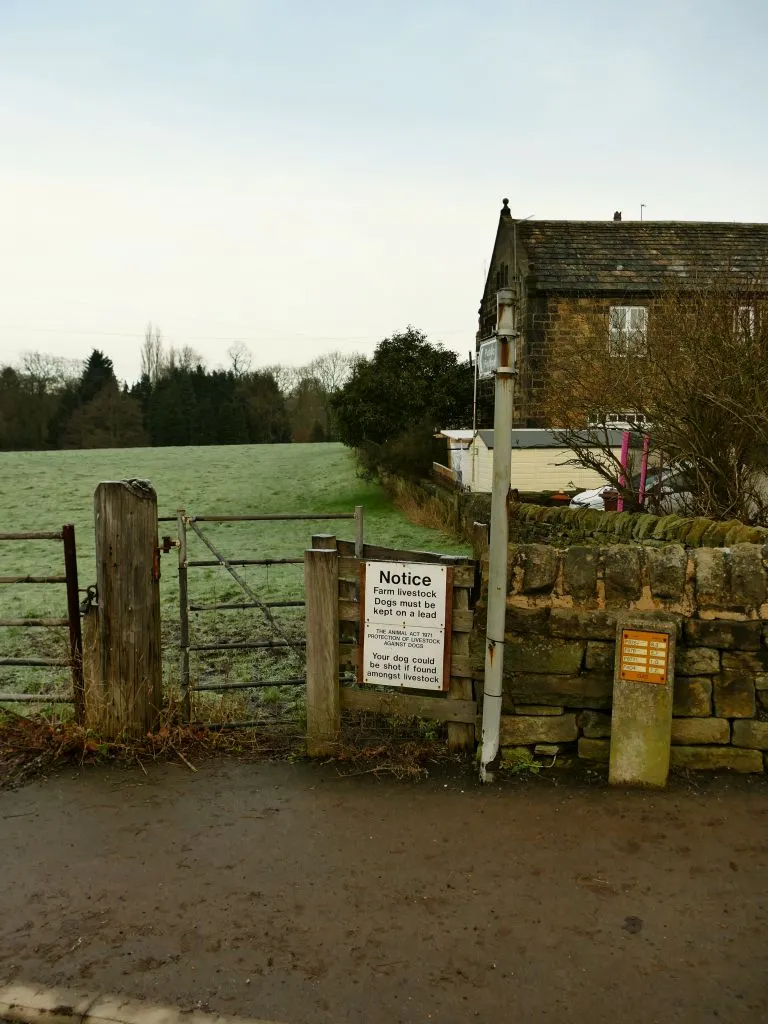
Photo: Stephen Craven , CC BY-SA 2.0, via Wikimedia Commons
On a wet Saturday morning, I walked past the café on the corner and did something I hadn’t done in years: I went into the library instead.
There was no queue. No QR code to scan for a menu. No sixty-second internal debate about whether to have oat milk or accept the extra 50p. Just a set of glass doors, a noticeboard advertising Rhyme Time and a coffee morning, and the particular hush of a room full of people minding their own business. I stayed for two hours and spent nothing. It felt, honestly, like getting away with something.
The card at the back of my wallet
I found my library card behind a loyalty card for a sandwich shop I no longer visit. It had my name on it in that slightly faded thermal-print way, and it still worked. The librarian didn’t arch an eyebrow at the gap in my borrowing history. She said, ‘Welcome back,’ and asked if I wanted to reserve anything.
That’s the thing about libraries: they don’t do shame. You can disappear for a decade and return without a lecture. You can borrow three books and read none. You can come in for the wifi and leave with a paperback. The building is not keeping score.
I joined as a child, mostly for the summer reading challenge and the sticker chart. I went back as a teenager for school projects and the internet when ours was too slow. Then life got busy, as it does, and the library slipped into the same mental drawer as dentist appointments and recycling schedules. I knew it was there. I just didn’t think it was for me.
A third place with no minimum spend
There’s a phrase sociologists use — the third place — meaning somewhere that isn’t home and isn’t work, where people can gather without a purpose. Pubs, cafés and parks all qualify, but they usually come with a price. A coffee buys you a table for an hour or so. A pint buys you a bit longer. Nothing is truly free, and nobody pretends it is.
The library is the exception. At my branch, you can sit at a desk with a notebook, read the papers, charge your phone, use the wifi and ask for help printing a form. You don’t have to buy a drink to justify your seat. You don’t have to look like you’re working on a novel. You can just be a person in a warm room, reading.
I’d forgotten how rare that is. We talk a lot about loneliness and screen time and the cost of living, and then we overlook the one place on the high street that addresses all three without asking for a subscription. Libraries are not a luxury. They’re infrastructure. But in a country where a cinema ticket costs more than a paperback, using one can feel like a small, quiet luxury.
More than a book lender
Borrowing is only part of it. My branch has audiobooks, e-books and a shelf of jigsaws. There are board games you can play on the premises and a seed swap that has gone slightly feral. The reservations shelf is the best bit: a row of books with other people’s names on them, waiting to be collected. It’s a tiny window into the reading habits of strangers. Who has ordered the new Kate Atkinson? Who is finally getting round to Middlemarch?
The free wifi is not a small thing either. Neither is the printing. If you’ve ever had to send a council form off at 11pm and realised you have no ink, you’ll know. Libraries have become the quiet back office of modern life — the place where people scan documents, apply for jobs, print boarding passes and ask a human being how to attach a file. That’s before we even get to the books.
The coffee morning test
I went to the coffee morning. I was the youngest person there by a good thirty years, and I was welcomed with the slightly suspicious warmth of a group who are used to the same faces. I had a cup of tea from an urn, a digestive biscuit, and a conversation about tomato plants with a man called Derek. Nobody tried to sell me anything. Nobody asked for my email address.
It was, I think, the most social I’d been all week. Not networking, not dating, not even friendship in the big, demanding sense. Just company. The library doesn’t insist you join in. It simply leaves the door open, in both the literal and metaphorical sense.
A quiet act of refusal
I’m not anti-screen. My phone is with me most of the day, and I’m as guilty as anyone of opening it while the kettle boils. But there’s something about reading in a room with other people that feels different. It’s not solitary, exactly. It’s companionable silence. You can feel the attention in the room stretching out, like a cat in a patch of sun.
Borrowing also puts a gentle deadline on things. Three weeks, then back. No algorithm recommending the next book before you’ve finished the first. No ‘saved for later’ pile with 47 items in it. Just a physical object, chosen by you, with a return date on the slip. If you don’t finish it, you can renew it. If you hate it, you can take it back. There’s no guilt, because you haven’t paid £18.99 for the privilege.
In a world that keeps asking us to spend, the library asks nothing. That’s not just a bargain. It’s a different way of deciding what an afternoon is worth.
If you go
Check your council’s website before you go — joining usually requires proof of address, though some libraries will let you join online and bring your ID later. Opening hours vary wildly, and many branches have a warmth and a life that don’t come across on a webpage. Take a bag. Take a list if you have one, or don’t. The shelves are better than any algorithm I’ve used.
I still go on Saturdays. I haven’t bought a coffee on the way in for weeks. I take a book home, read a chapter, and bring it back. It’s not a dramatic reinvention of my life. It’s just a small, free room, open to anyone with a card and a reason to leave the house.
Which, it turns out, is a very good reason indeed.