The Boil Before the Storm: Why We Reach for the Kettle When Words Fail
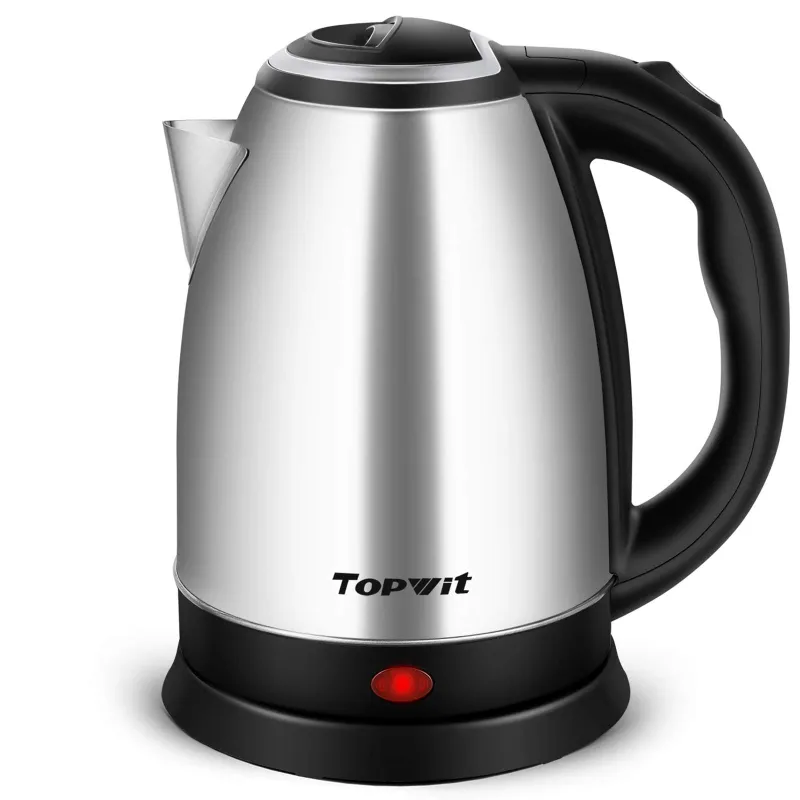
Photo: kettle steam kitchen counter two mugs morning light UK home, via i5.walmartimages.com
On a grey Tuesday last month, a friend rang me with news that wasn’t good. Not catastrophic, not the kind that makes the headlines, but the sort that makes a person’s voice go flat and careful. I did what I have done since I was old enough to reach the kettle: I said, ‘Right. Kettle’s going on.’
There was a pause on the line. Not an awkward one. More like a small exhale. We both knew what it meant. It meant: stay there, I’m listening, give me a minute to work out how to be useful. It also meant: I have no idea what to say, so let me at least make you a drink.
That is the quiet genius of the kettle. It is not a cure. It is a holding pattern. And in a country that has never been entirely comfortable with big emotional declarations, it might be the most fluent sentence we have.
The sentence that buys you time
‘Fancy a brew?’ is a question with layers. On the surface it is about tea. Underneath, it is about permission. Permission to sit down. Permission to stop pretending everything is fine. Permission to let a conversation arrive in its own time.
I have watched people say the most difficult things to each other while waiting for the kettle to click off. Somehow the words come easier when there is a job to do. You are not staring across a table, waiting for eye contact. You are reaching for mugs, hunting for the sugar, moving a tea towel. The choreography gives you somewhere to put your hands and your feelings.
There is a reason so many hard conversations in British homes begin with someone standing up and saying, ‘I’ll put the kettle on.’ It is not avoidance, although it can look like it from the outside. It is pacing. It is a way of saying: this matters enough to be done properly.
A pause you can actually hear
The kettle is one of the few appliances in modern life that demands you wait. Not scroll. Not reply. Not refresh. It rises to a boil, switches itself off, and in that small window you are technically free. Nobody expects you to solve anything while the water is heating. Nobody can reasonably ask you to make a decision between the first bubbles and the click.
That pause has become rare. Most of our days are stitched together with small bursts of urgency: another notification, another email, another thing to remember. The kettle interrupts all of it. It says, in its own rattling way, that the next few minutes belong to the room.
I have come to think of it as a ten-minute ritual, even though the boiling itself takes far less. By the time you have found the mugs, checked the teabags, waited for the water, let it brew, added milk, and carried two cups to the table, you have given yourself a proper moment. Not a long one. Not a dramatic one. Just enough to arrive.
The choreography of care
Making tea for someone is a tiny act of attention. You have to remember how they take it. Strong. Weak. No milk. Oat milk. One sugar, but only if it has been a day. These are small details, but they are not nothing. They are proof that you have been paying attention to another person’s ordinary preferences, which is often the most practical kind of love we have.
I know people who can read a whole mood from the way someone asks for tea. A bright, over-cheerful request usually means things are not fine. A flat ‘just a normal tea’ means the same. A silence while the kettle boils is often the loudest part of the conversation.
There is also the matter of who makes it. In shared houses, in offices, in families, the person who stands up first is often the person who has noticed something. They might not have the words yet. The kettle gives them a way to start.
Why it works when advice doesn’t
When someone is upset, our instinct is often to fix. We offer solutions, timelines, perspective. We say things like ‘you should try’ and ‘at least’ and ‘I’m sure it’ll work out.’ Sometimes that helps. Often it lands sideways.
The kettle does something different. It does not argue. It does not minimise. It simply says: I am here, and I am not going anywhere for the next ten minutes. That is often more useful than a plan. You cannot fix a friend’s bad week with a teabag, but you can sit with them while they have one.
I think that is why the kettle pause has survived all the changes in how we live. We work differently, message differently, even rest differently. But the small ritual of putting the kettle on has stayed stubbornly the same. It fits into modern life because it is portable. It works in a kitchen, an office, a hotel room, a hospital canteen. It needs almost nothing: water, a mug, a moment.
A small rebellion against speed
There is a quiet politics to it, too. Choosing to stop and make tea is choosing not to be efficient for a few minutes. It is a tiny refusal of the idea that every gap must be filled. In a culture that treats waiting as a failure, the kettle is almost subversive. It asks you to do one thing at a time.
That can feel uncomfortable at first. I have caught myself standing by the counter, phone in hand, ready to use the boiling time for something else. But the best version of the ritual is the version where you don’t. You just stand there. You listen to the water. You look out of the window. You let the day settle.
By the time the tea is made, the problem is usually the same size. But you are not. You have moved from reaction to response. You have given yourself a small patch of calm to stand on.
So the next time someone says they don’t know what to say, or you find yourself in a kitchen with someone who has just had difficult news, remember the kettle. It will not fix everything. It was never supposed to. But it will buy you ten minutes, two mugs, and a chance to be kind in the plainest way available.