Cold Light, Open Door: The Quiet Truth of the Fridge Stare
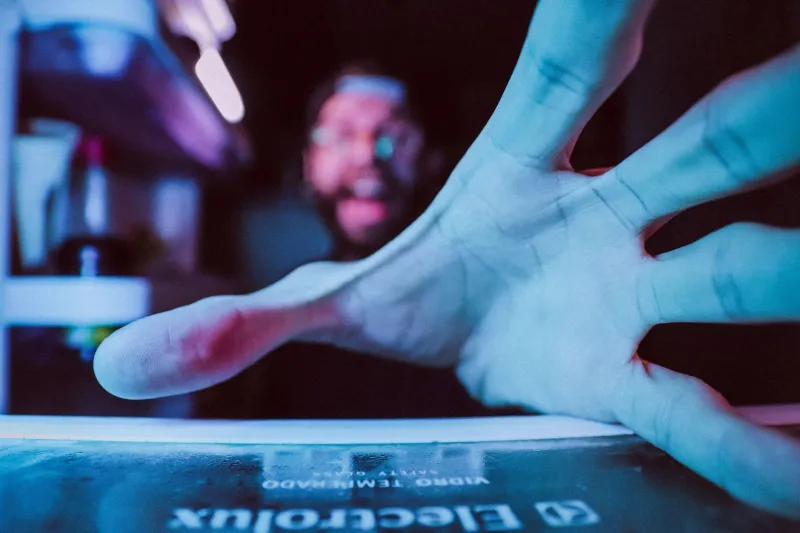
There is a particular sound a British kitchen makes at 8.47pm. The kettle has finished its dramatic finale. The washing machine is thudding through its final spin. And then comes the soft suction of the fridge door, followed by silence. Not the silence of an empty room, but the silence of a person looking. Really looking. As if the answer might be behind the jar of capers this time.
We have all done it. The fridge stare is not a meal, not a snack, not even a proper craving. It is a pause with the door open, letting the cold air wash over your socks while your eyes travel the same shelves they travelled an hour ago. And although it looks like nothing much, it might be one of the most honest things we do at home.
The cold-light pause
The fridge is a strange kind of room. It is small, bright, and entirely without atmosphere, yet we stand in front of it as though it might offer counsel. The light is unforgiving. It shows up the wilted spinach, the half-lemon wrapped in foil, the yoghurt pot with a date that has quietly passed. It is not a flattering light, but it is a truthful one.
Unlike the cupboard, which can hide its chaos behind a door, the fridge puts everything on display. It is a nightly exhibition of good intentions: the courgettes bought for a recipe you never got round to, the sad bunch of parsley, the milk that is somehow always on its last day. Opening the door is not only a search for food. It is a small audit of the week you have just had.
Not hunger, but homework
Nutritionists like to talk about mindful eating, but the fridge stare is something else. It is decision fatigue in its plainest form. By the time many of us get to the fridge in the evening, we have already made hundreds of small choices — what to wear, what to answer, what to ignore, whether to reply to that email now or pretend we did not see it. The fridge asks for one more. And sometimes the brain simply refuses to cooperate.
That is why you can be genuinely hungry and still stand there, scanning, as if the right option will announce itself. The problem is not a lack of food. It is a lack of bandwidth. The fridge becomes a sort of waiting room for the next decision, and the cold air buys us a few more seconds before we have to make it.
There is also the British talent for pretending a minor pause is a major search. We open the door with purpose. We move a tub of houmous to one side. We peer behind the milk. We close the door with the expression of someone who has considered all the options and found them wanting. This is not really about dinner. It is about the quiet drama of being a grown-up with a fridge and no firm plan.
A museum of good intentions
Every fridge tells a story, and most of them are about optimism. The condiment shelf alone is a memoir of meals past: a jar of mustard bought for one sandwich, a tiny bottle of something expensive, three different kinds of pickle because each one promised a different future. The vegetable drawer is where hope goes to soften quietly.
Yet there is comfort in that too. A full fridge, even a messy one, is a small sign that life is carrying on. The leftovers from Sunday, the milk for tomorrow's tea, the butter that must never run out — these are the ordinary guarantees we build around ourselves. When you open the door and see them, you are not just looking for food. You are checking that the week is still there, in its Tupperware.
And then there is the fridge as noticeboard. A school timetable, a takeaway menu, a photo that has curled at the corners, a magnet from a weekend away. On the outside, it holds the family calendar. On the inside, it holds the slightly chaotic truth of what we actually eat. Both are versions of the same thing: a home trying to keep itself together.
The honesty of an open door
We tend to talk about comfort as something warm: a bath, a blanket, a cup of tea. But there is a cold comfort too. Standing in front of an open fridge, with no one asking anything of you, is a tiny pause in the day. It is not glamorous. It will not make a good social media post. But it is real.
The fridge stare is also a form of permission. Permission to not know what you want. Permission to change your mind. Permission to close the door, make toast instead, and call that dinner. In a culture that likes everything to be decided, optimised, and plated neatly, there is something quietly radical about staring into the cold light and admitting you have not got a clue.
So next time you find yourself there — hand on the handle, eyes on the same shelf — try not to be too hard on yourself. You are not being indecisive. You are taking a moment. You are doing the small, unglamorous work of being a person in a kitchen at the end of a long day. The fridge may not have the answer. But it does have a light on, and sometimes that is enough.