Wheelie Good Neighbours: The Quiet Theatre of Bin Night
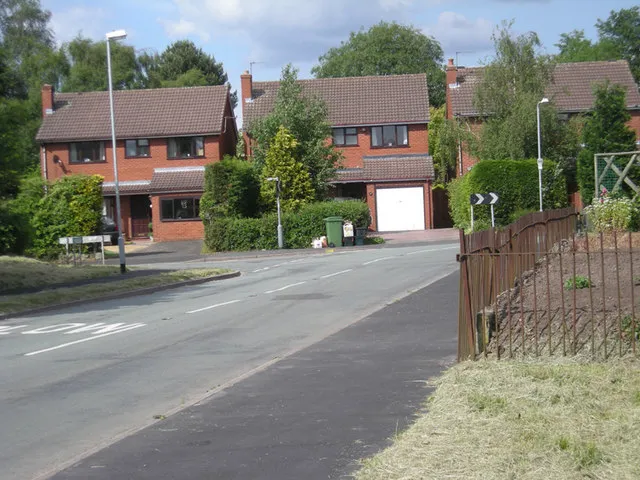
Photo: Row17, CC BY-SA 2.0, via Wikimedia Commons
Bin night in Britain is not a national event. There is no countdown, no television coverage, no annual awards. But on streets up and down the country, a quiet performance takes place every week. It begins with a rumble of plastic wheels on paving and ends with a row of bins standing at the kerb like awkward guests waiting to be let in.
The opening scene
It usually starts around seven. You hear it before you see it: the hollow roll of a wheelie bin being dragged down a drive, the clang of a lid, the soft thud of a recycling box being set down. Then another. Then another. The street begins to fill with bins, each one a small declaration that someone inside is paying attention.
Bin day is a chore, obviously. It is also a form of neighbourhood theatre. You learn things about your street that no amount of small talk at the school gate will tell you. You learn who is an early bird and who is a last-minuter. You learn who has a food waste caddy and who is still pretending the caddy does not exist. You learn who will put out a neighbour's bin when they are away, and who will not.
The early birds and the last-minuters
Every street has its types. The early bird puts the bin out at four in the afternoon, just in case the bin lorry has undergone a personality change and decided to come at dawn. The last-minuter waits until eleven, then remembers in a panic and does the dressing-gown sprint that has become a British tradition.
There is the neighbour who puts out everyone's bins on their way to work, not for thanks but because it is easier than watching them miss the lorry. There is the bin police, who will knock on your door if you have put a greasy pizza box in the recycling. There is the person who brings their bin in at ten in the morning, before the lorry has even turned the corner, as if to say: job done, I am not one of those people.
And then there is the quiet hero of bin night: the one who rights a blown-over bin after a windy night, or who retrieves a lid that has rolled into the road, or who puts the recycling box back by the wrong house because it is raining and they are doing their best.
The unspoken bin code
Bin night has etiquette. Nobody writes it down, but everyone knows it. Do not block the pavement. Handle facing out, please. Bring it in by lunchtime, or at least by the time the street starts to look untidy. If someone's bin has been missed, mention it in passing, not as a formal complaint. If a fox has been at the food waste, pretend you did not see.
The code extends to recycling. Flatten your boxes. Rinse the jars. Do not put batteries in the black bin. Do not ask why the council collects garden waste on a different day, because nobody knows, and the answer changes every spring.
These small rules are not really about waste. They are about living closely together without making a fuss. They are the kerbside version of saying good morning. They say: I see your bin. I see you. I am also trying to get this right.
What the kerbside says about us
A street's bins can tell you a lot. A house with three bins and a caddy is probably a household that reads the leaflet. A house with one overflowing bin and a hopeful note attached is probably a household with a newborn, or a deadline, or a week that got away. A house with a neatly folded recycling box and a matching lid is probably a household that has strong opinions about the correct way to fold a cardboard box.
Bin night is a low-stakes way of belonging. You do not have to be friends with everyone on your street. You just have to put your bin out and bring it in. But somewhere in that routine is a small, steady connection. You notice when someone's bin is still out at four o'clock. You notice when a neighbour is away. You notice when the street has a new family, because suddenly there are nappies in the bin and a plastic slide in the garden.
The lorry comes. The bins go out. The street performs its quiet ballet. And then it is over for another week. Nobody claps. Nobody needs to. We have all seen it, and we are all in it together.