The Rambling Heart: How the Voice Note Became Britain’s Most Honest Small Talk

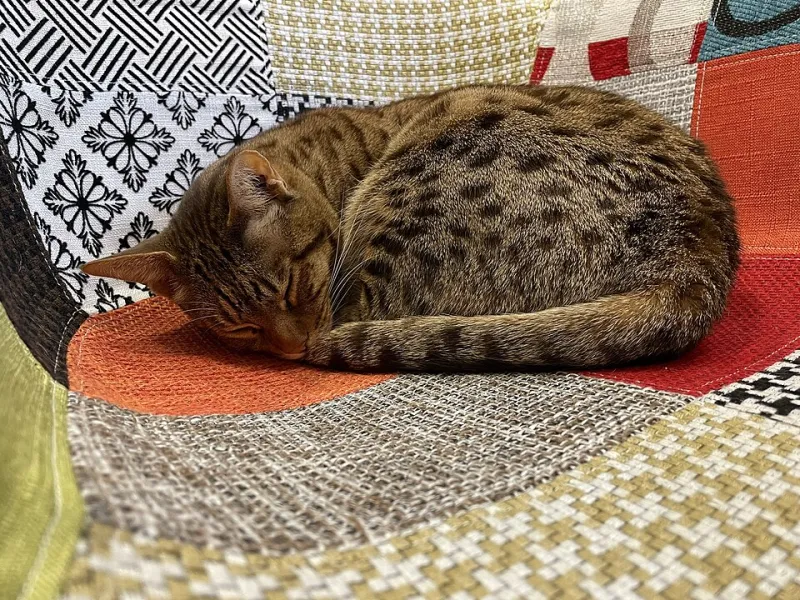
Photo: Shixart1985, CC BY 2.0, via Wikimedia Commons
The other evening, on the 18:42 out of Liverpool Street, I listened to a friend tell me about her day. She did not text. She sent a voice note: two minutes and fourteen seconds of her walking to the station, describing a difficult meeting, a good sandwich and the fact that she had forgotten her umbrella. I listened twice. The first time for the news; the second for the sound of her being alright.
That, I think, is the quiet magic of the voice note. A text is a performance. Even the most casual message has been edited, softened, punctuation-checked. A voice note is a presence. You can hear the kettle in the background. You can hear the sigh before the sentence. You can hear someone decide, halfway through, to tell you the truth.
Why a ramble beats a polished reply
We have spent twenty years learning to type like people who are calm and in control. We add the full stop. We delete the exclamation mark. We rewrite 'I'm fine' until it looks like a small, closed door. The voice note refuses all that. It arrives with bedhead. It ums. It loses its thread. It says 'anyway, sorry, I've forgotten what I was going to say' and then remembers.
There is a reason so many of us have moved from text to audio in our closest relationships. A 90-second ramble can carry more warmth than a perfectly punctuated paragraph because it carries the thing punctuation cannot: effortlessness. It says: I did not have time to make this neat. I had time to make it you.
My mum, who is 67 and has never knowingly sent a voice note shorter than three minutes, now sends what she calls 'little updates'. They are not little. They are a full account of the garden, the neighbour's cat, a documentary she half-watched, and a question about whether I am eating properly. I used to reply with a thumbs-up. Now I send one back. It has become a small ritual: her voice, my voice, the day folded between us.
The new etiquette of pressing and holding
Voice notes are intimate, which means they need manners. The first rule is simple: know your audience. A 12-minute monologue is a gift to a best friend and a hostage situation to a colleague. The second rule is timing. Most of us have a mental quiet hours policy — no voice notes before 8am or after 10pm unless there is news, and 'news' does not mean a funny thing you saw on the bus.
It helps to ask first. 'Can I voice-note you?' sounds fussy, but it gives the other person a chance to say they are on a train, or in a meeting, or simply not in the mood to listen. It also helps to listen all the way through. The voice note is not a live phone call; you can pause it, rewind it, play it again. Doing that is a small act of attention.
And reply in kind only if you want to. The voice note should not become another inbox. If someone sends you a three-minute update and you have the energy for a six-second 'that's brilliant, love you', send that. The point is not symmetry. The point is contact.
The ones you keep
A few years ago, a friend of mine lost her dad. In the weeks afterwards she did not want to talk on the phone. She wanted to be spoken to, gently, without having to perform. One evening another friend sent her a voice note: 38 seconds of her making tea, saying nothing much, ending with 'no need to reply, I just wanted you to hear someone pottering about'. My friend still has it saved. She says it is the most comforting message she has ever received.
I know a man in Leeds who keeps a folder of voice notes from his father, who died in 2021. They are not profound. They are mostly about the football, the weather, whether he had put the bins out. He listens to them when he is driving. 'It's not the words,' he told me. 'It's hearing him breathe.'
There is something in that. We are not short of words in 2026. We are short of evidence that another person is still there, still moving around their kitchen, still thinking of us between tasks. A voice note is a small piece of evidence.
A different rhythm
None of this means the voice note is replacing conversation. It is not. A good phone call still does something a stack of audio files cannot. But the voice note has changed the rhythm of modern relationships in a way that feels, on balance, kind. It has made it acceptable to be rambling. It has made it easier to say the awkward thing. It has given us a new way to be close without being available all the time.
So the next time your phone buzzes with a two-minute recording from someone you love, do not sigh. Find a quiet spot. Press play. Listen to the kettle, the traffic, the half-finished sentence. That is not noise. That is a person, saying: here I am. Here is my day. Here is a bit of it for you.